
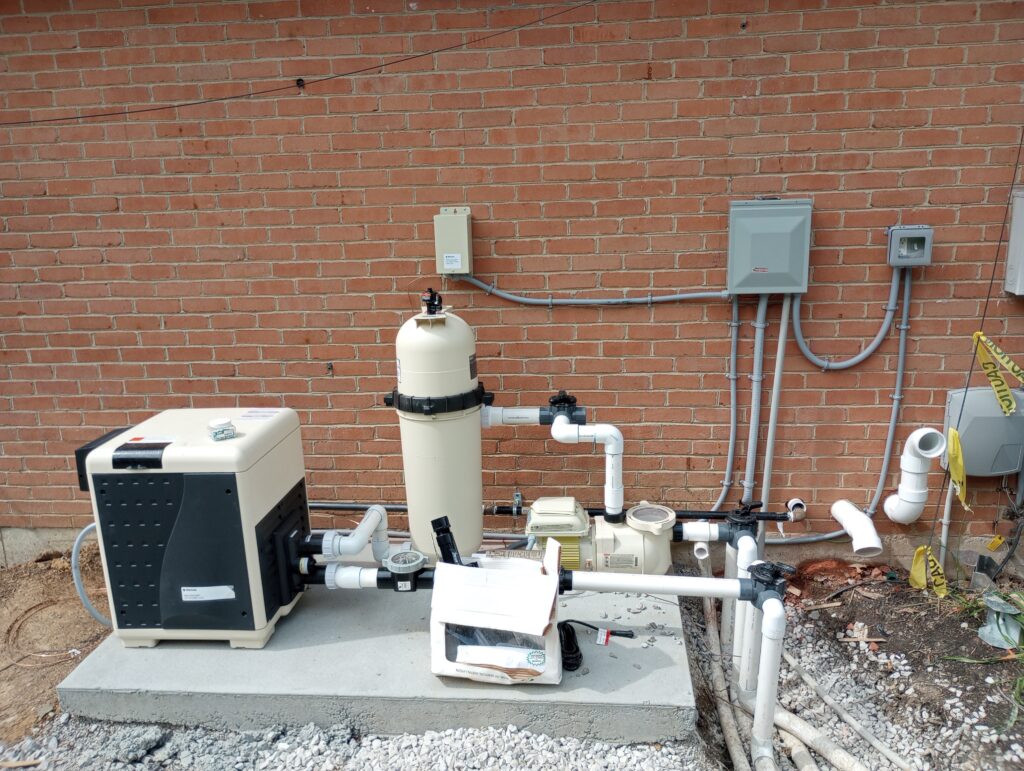
Underground electrical wiring: repair a damaged line or run a new one?
On this page · 9 sections
Most of the underground calls we get start the same way: somebody was digging. A landscaper edging a new bed, a fence crew setting posts, a homeowner planting a tree. One of our customers lost power to half of her house in the middle of summer because a landscaper nicked her underground service wire with a shovel. Other calls start the opposite way, with a plan: power out to the barn, a hot tub on the back patio, or an EV charger in a detached garage.
Both come down to the same question. Can the line you have be repaired, or does it make more sense to run a new one? Here's how we work through it on site, and what you can check yourself before anyone picks up a shovel.
The short answer
Bottom Line Up Front
If a shovel or auger hit one spot on a line that was otherwise sound, it can usually be repaired. If the cable is failing in more than one place, or you're adding a new building, hot tub, pool, or EV charger to the end of it, plan on a new run built to current NEC standards.
Either way, the first hour matters most: stop digging, keep everyone away from the damage, and have the fault located before anyone touches it. Sometimes the cleanest fix for one bad section is a fresh line, so the real answer comes after the problem has been found, not before.
covers the first hour
on a recent service-line repair
underground projects
The rest of this post covers what to do in the first hour after a line is hit, how we decide between a repair and a new run, two real jobs from our own area, and a decision matrix at the end.
Step 1: Stop digging and keep everyone clear
If a shovel, auger, or post-hole digger has hit something that sparked, buzzed, or knocked out power, put the tool down and step away. Don't pull the cable out of the ground to look at it, and don't try to tape it back together. Keep kids, pets, and neighbors away from the spot until it has been checked. If you know which breaker feeds that line, turning it off is a good first step, but a service line coming in from the utility side can't be shut off from your panel.
Losing power in part of the house can make a damaged line look safe. It isn't. Part of the cable can still be energized even when half your rooms are dark, and wet soil makes it worse. Treat any exposed or damaged underground wire as live until it has been tested.
Step 2: Find out exactly what's wrong
Sometimes the cause is obvious: a shovel blade and a cut cable. Other times the problem is a run that has been failing slowly, with lights that flicker, a breaker that trips, or an outbuilding that loses power after a heavy rain. That's a job for troubleshooting and diagnostics. Our trip and diagnostic fee is $75 and covers the first hour, which is enough for most calls. If the fix is simple, like a loose connection, that's covered too. If it turns out to be a bigger issue, we lay out more than one option before anything else happens.
If the trouble is flickering or tripping rather than a fresh cut, our post on why lights flicker covers the other usual suspects.
Repair the damaged line or run a new one?
This is the comparison we talk through with homeowners once the fault has been found. Each row is a real factor; the highlighted column is the smarter call when that factor is the one driving your decision.
| Factor | Lean Repair | Lean New Run |
|---|---|---|
| What happened | One hit from a shovel or auger | Slow failure with no clear cause |
| Number of faults | One known spot | More than one spot along the run |
| Cable condition | Sound on either side of the damage | Brittle, cracked, or failing in places |
| What it feeds | The same load it always has | A new building, hot tub, pool, or EV charger |
| Capacity | Already sized for what it carries | Undersized for what you want to add |
| Urgency | Power needs to be back fast | You're planning a project |
| Where it starts | $75 diagnostic visit | Free estimate |
These rows are how we think a job through on site. The final call comes after we've located the fault and seen the route the line takes.
Before any project that goes into the ground, from a fence to a garden bed, call 811 to have buried utility lines marked. Keep in mind that lines you ran yourself, like the feed to a shed or a pool, may not show up on those marks. If you know you have private underground wiring, tell whoever is digging where it runs.
What a repair looks like in real life
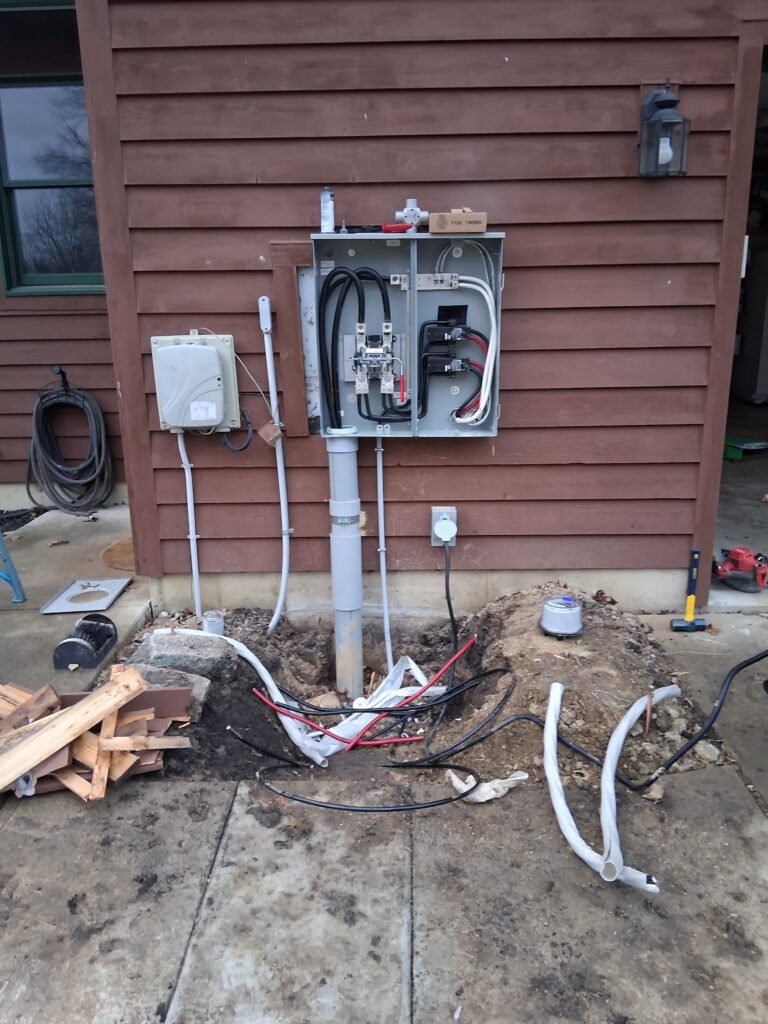
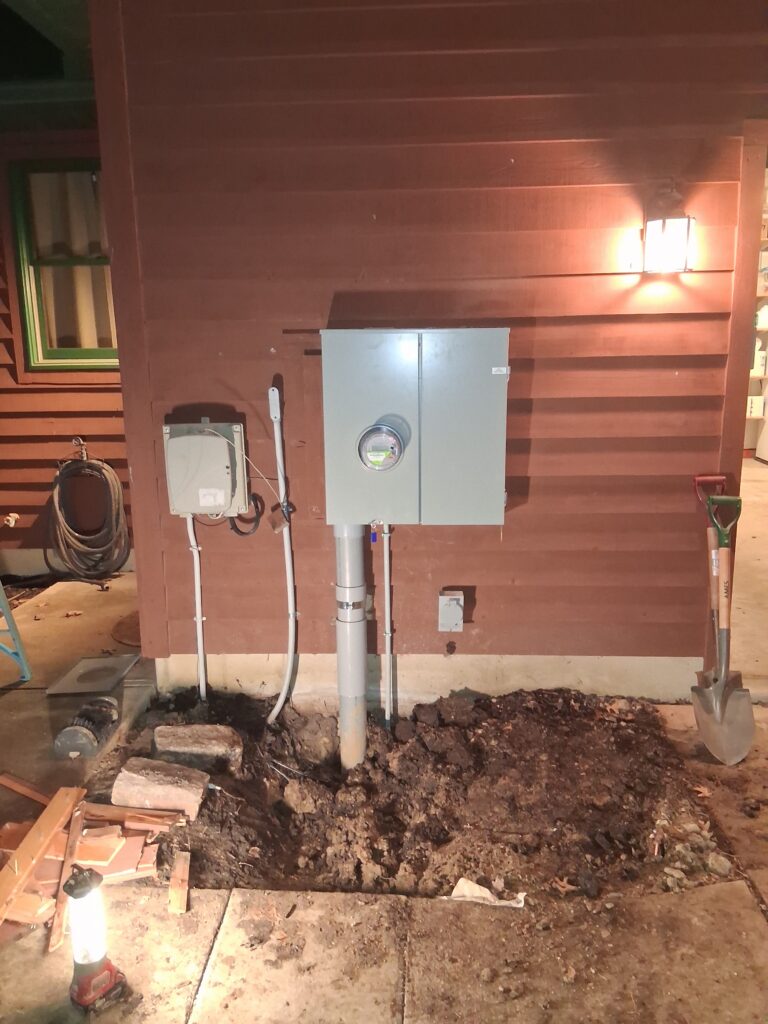
Back to the customer who lost half her house. She was an older homeowner, and it was the middle of summer, so the first thing we did was set her up with a portable AC to keep the house livable. Then we bore-shot a new electrical line from the pad to the meter base to get her reconnected, without trenching across her yard. We completed the job within two days of her first call.
That job is a good example of how blurry the line between repair and new run can be. The fix for one bad section was a fresh line, because that was the cleanest and most lasting way to get her power back. We always take the least invasive approach that still does the job right.
Signs it's a repair
The line is sound and the damage is in one place. Fix it and get the power back.
What we look for
- You know exactly where the shovel, auger, or post went in.
- Power was fine everywhere until the moment of the damage.
- The cable on either side of the damage is intact once it's exposed.
- The line only needs to carry what it always has.
Signs you need a new run
The line is failing as a whole, or it can't do the new job. Patching buys time, not a fix.
What changes the answer
- Power cuts in and out on that run with no recent digging.
- The cable is brittle, cracked, or damaged in more than one place.
- You're adding a hot tub, pool, EV charger, or new building to the end of the line.
- The run sits under a driveway or patio where digging again would do more damage than a fresh route.
When a new underground run is the right call
A new run makes sense when the old cable is failing in more than one place, or when you're asking it to do something it was never built for. One of our favorite jobs was a large barn property in Loveland where we ran underground electric to each of the structures. The horse stable got LED lighting, recessed wall lighting, and heaters, and we installed heaters for the chicken coop and the lean-to stable too.
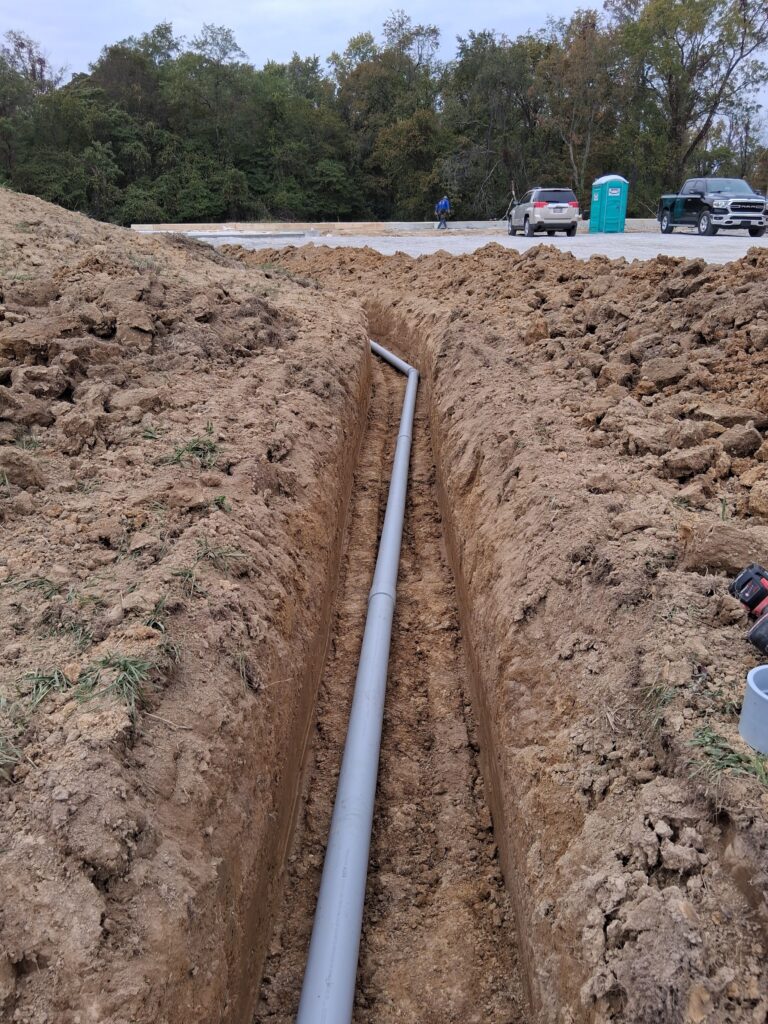
The same goes for hot tub and pool wiring, an EV charger in a detached garage, or power out to a workshop. These are wiring additions, and they start with a look at whether your panel can carry the new load. If it can't, a panel or service upgrade comes first. Our post on whether your panel can handle a hot tub or EV charger walks through that part.
How we price underground work
Estimates on new projects are free. We come out, take measurements, look at the route, and talk through the options, then give you a price range on the spot. Within a day or two you get a written quote with the total. The price we quote is the price you pay. If something gets added after the fact, it's discussed and confirmed with you first, with no surprises. Larger projects may require a deposit, though we usually handle materials without one.
“We do all of our installs with the intention of making them last as long as possible. A line you bury is a line you don't want to dig up again.”— AFW Electric, LLC
The decision matrix
Read down the left column to your situation, then check which side has the stronger answer. Most lines fit more than one row. The right pick is whichever column wins the most of your rows.
| If your underground line… | Repair | New Run |
|---|---|---|
| Was nicked once by a shovel or auger | Yes | Overkill |
| Is failing in more than one spot | Stopgap only | Yes, usually |
| Needs to feed a new hot tub or pool | Not built for it | Yes |
| Runs to a barn, shed, or garage that needs more power | If it's sized right | Yes, usually |
| Cuts in and out with no recent digging | After diagnosis | After diagnosis |
| Runs under a driveway you don't want torn up | If it's reachable | Boring may be the answer |
The bottom line
A single nick in a sound cable is usually a repair. A line that fails in more than one place, or one you need to carry a hot tub, a pool, an EV charger, or a whole barn, usually calls for a new run. Either way, the first step is the same: stop digging, keep everyone clear, and have the fault found before anyone guesses at the fix.
If you're not sure which side of the line you're on, that's what our visit is for. We'll find the problem, show you what we found, and give you a quote we stand by. When the work is done, we walk you through every part of it and clean up after ourselves. For more on running power outside, see our post on outdoor wiring for backyards, or browse our project gallery.