
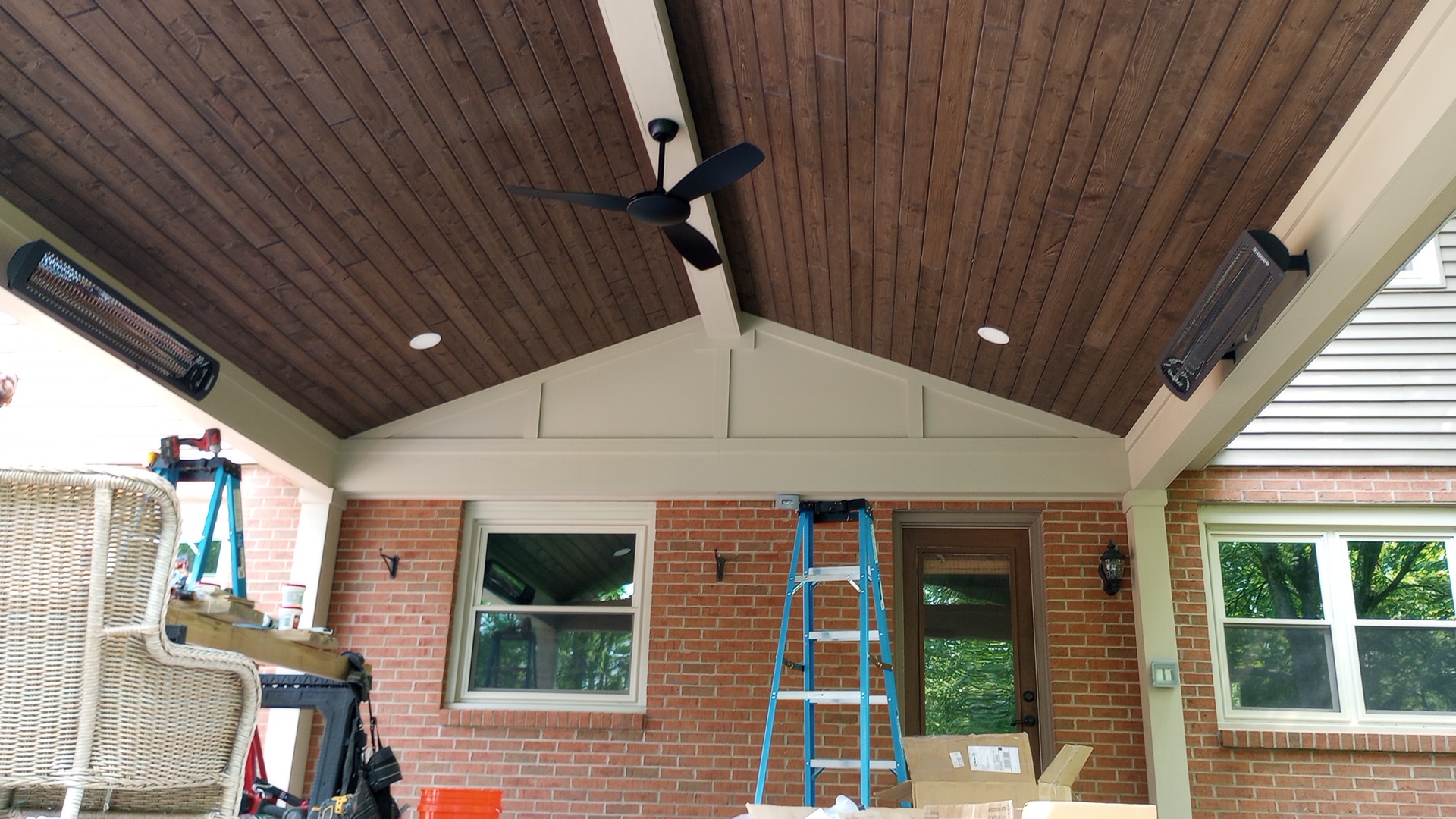
What It Really Takes to Wire a Backyard the Right Way
The Patio Gets Built First. The Power Gets Figured Out Later.
Almost every outdoor project we get called into follows the same pattern. The concrete is poured, the posts are up, the ceiling is stained — and then somebody asks where the fan, the lights, the TV, the heaters and the outlets are actually going to get their power from. By that point the framing is closed in, the trench is backfilled, and the easy path for a wire no longer exists.
None of that is a disaster. We fix it all the time. But it costs more, it takes longer, and it usually means running conduit somewhere you would rather not look at. Ten minutes of electrical planning before the build starts saves a genuinely surprising amount of money — and it is the cheapest part of the entire project.
Get a Free Estimate!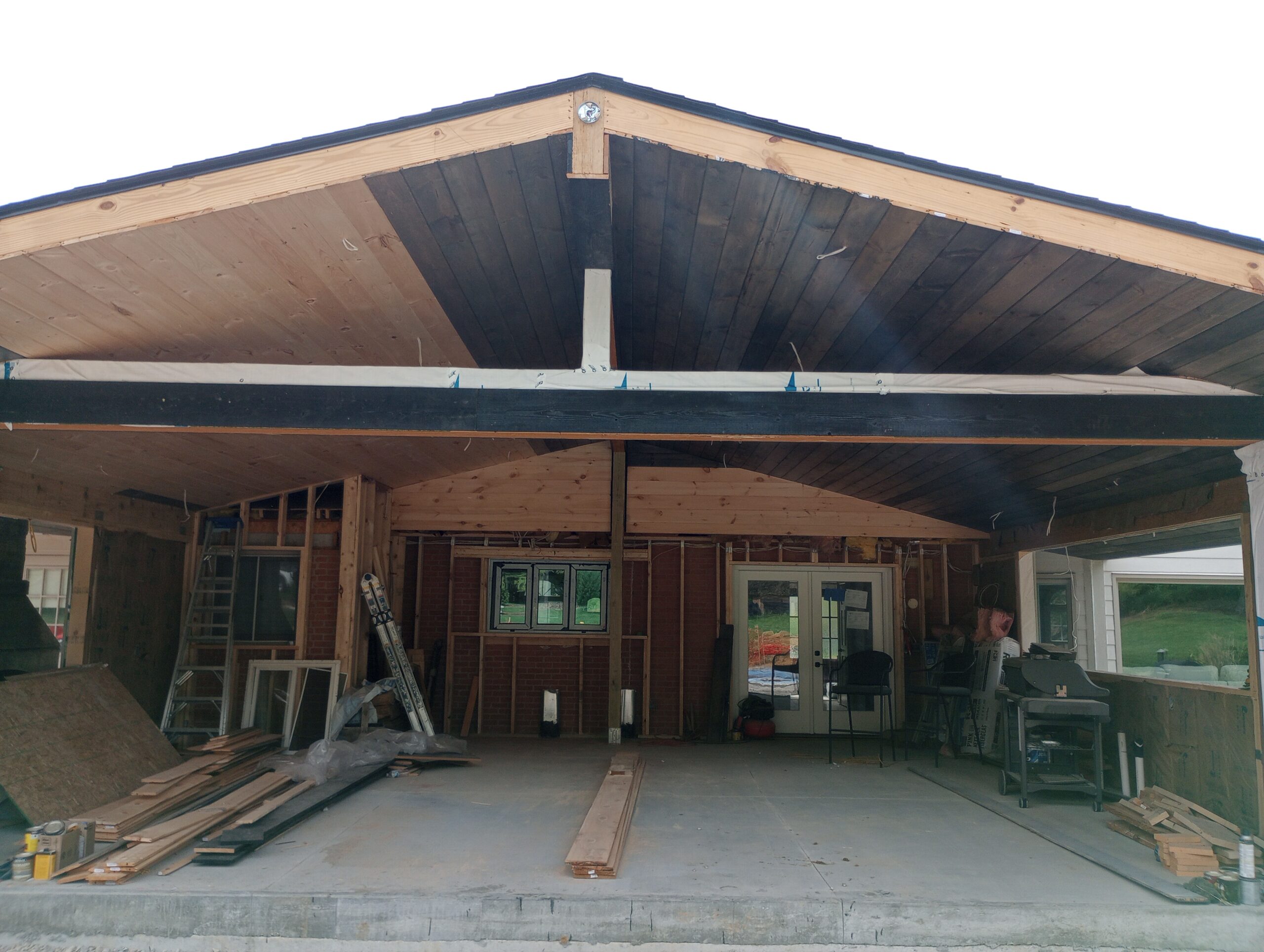
Outdoor Electrical Is Mostly a Planning Problem
The wiring itself is rarely the hard part. What drives cost, timeline and headaches is whether your panel has room, how the circuits have to be protected, and how power gets from the house to wherever you actually want it. Here is how we think through a backyard job before a single wire gets pulled.
Everything Outside Starts at Your Panel
Before we talk about fixtures or outlet locations, we open the panel. A covered patio with lighting, a couple of fans, a few receptacles and a TV might only add up to a modest load. Add a pair of electric radiant heaters, an outdoor kitchen, a hot tub, or a car charger in the garage, and you are suddenly asking for several dedicated circuits — some of them 240-volt and pulling serious amperage.
Two things matter here: whether your service has the capacity to carry the new load, and whether the panel physically has open breaker spaces to land the circuits. Those are separate questions, and plenty of homes pass one and fail the other. If yours comes up short, an electrical panel upgrade is usually the first line item rather than a surprise halfway through. We would rather tell you that during the estimate than after demo has started.
"Ash and crew did a great job removing knob and tube wiring, pulling new wire, and upgrading my electrical service, along with all permitting, in a two-family home I recently purchased. Got several price quotes and his was very reasonable. His pricing proved to be an excellent value by the end of the job."
See our profile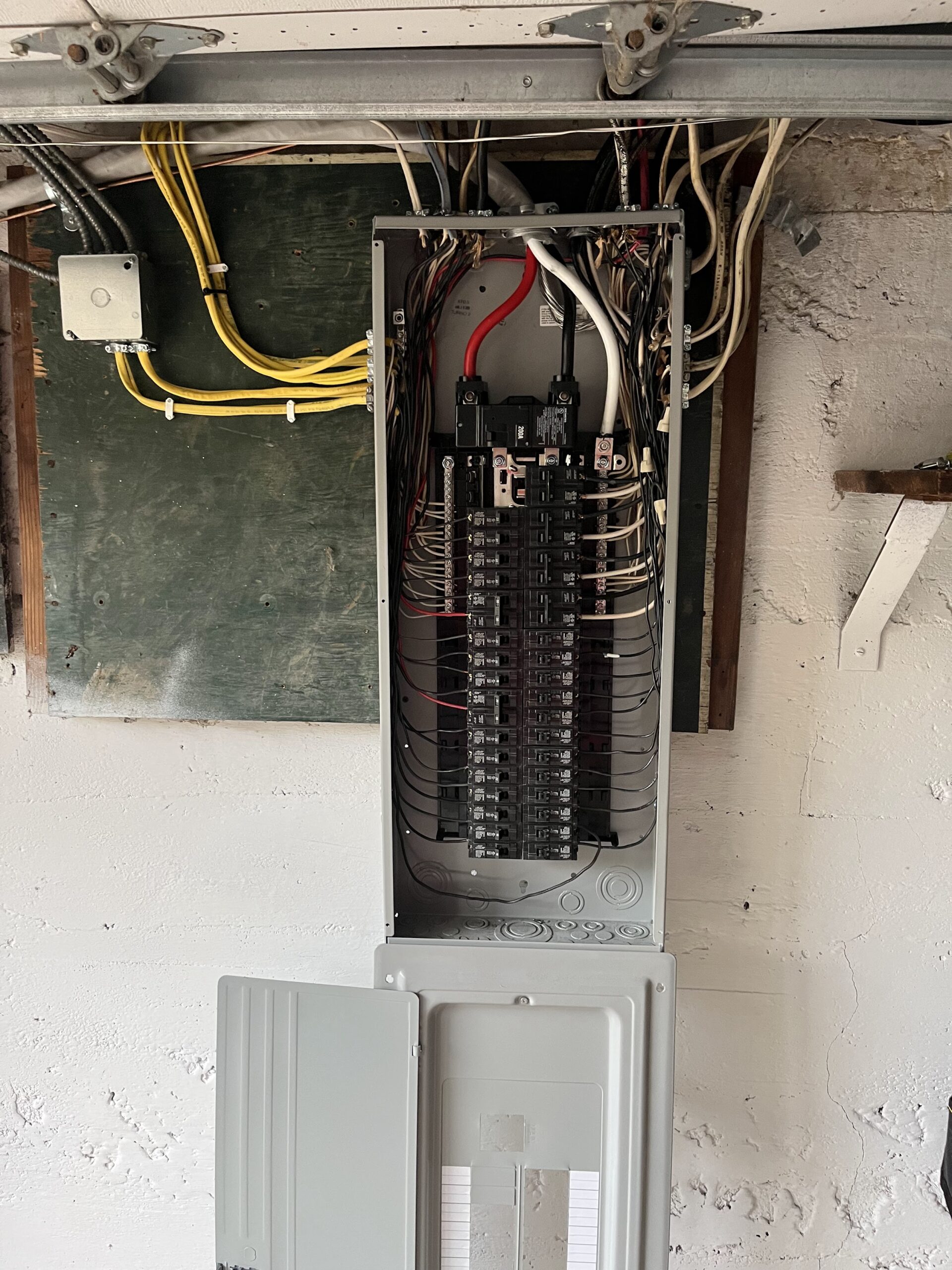
Outside, the Rules Are Different
A receptacle on a patio post is not the same device as one in your living room, even though they look nearly identical on the shelf. Outdoor receptacles require GFCI protection, and any receptacle in a damp or wet location has to be weather-resistant — that is the "WR" stamped on the face. Anything in a wet location also needs an in-use cover, the bulkier hinged kind that stays weatherproof with a cord plugged in, not the flat flip-lid that only seals when empty.
Fixtures follow the same logic. A ceiling fan under a fully covered porch needs at minimum a damp-location rating; one that can catch blowing rain needs a wet-location rating, and so does most landscape and soffit lighting. Boxes and covers have to be listed for outdoor use, and every penetration through the wall gets sealed properly so you are not creating a path for water into the framing.
None of this is exotic — it is the ordinary standard of care, and it is what separates a patio that still works in year eight from one that starts tripping every time it rains. If you want the deeper version of why GFCI protection matters, we wrote about it in GFCI and AFCI protection. And if your project involves water directly, hot tub and pool wiring adds bonding requirements on top of everything above.
"AFW was professional and informative. They troubleshot all my issues throughly. They respected my property. I highly recommend them."
See our profileThe Fun Part Has the Biggest Load
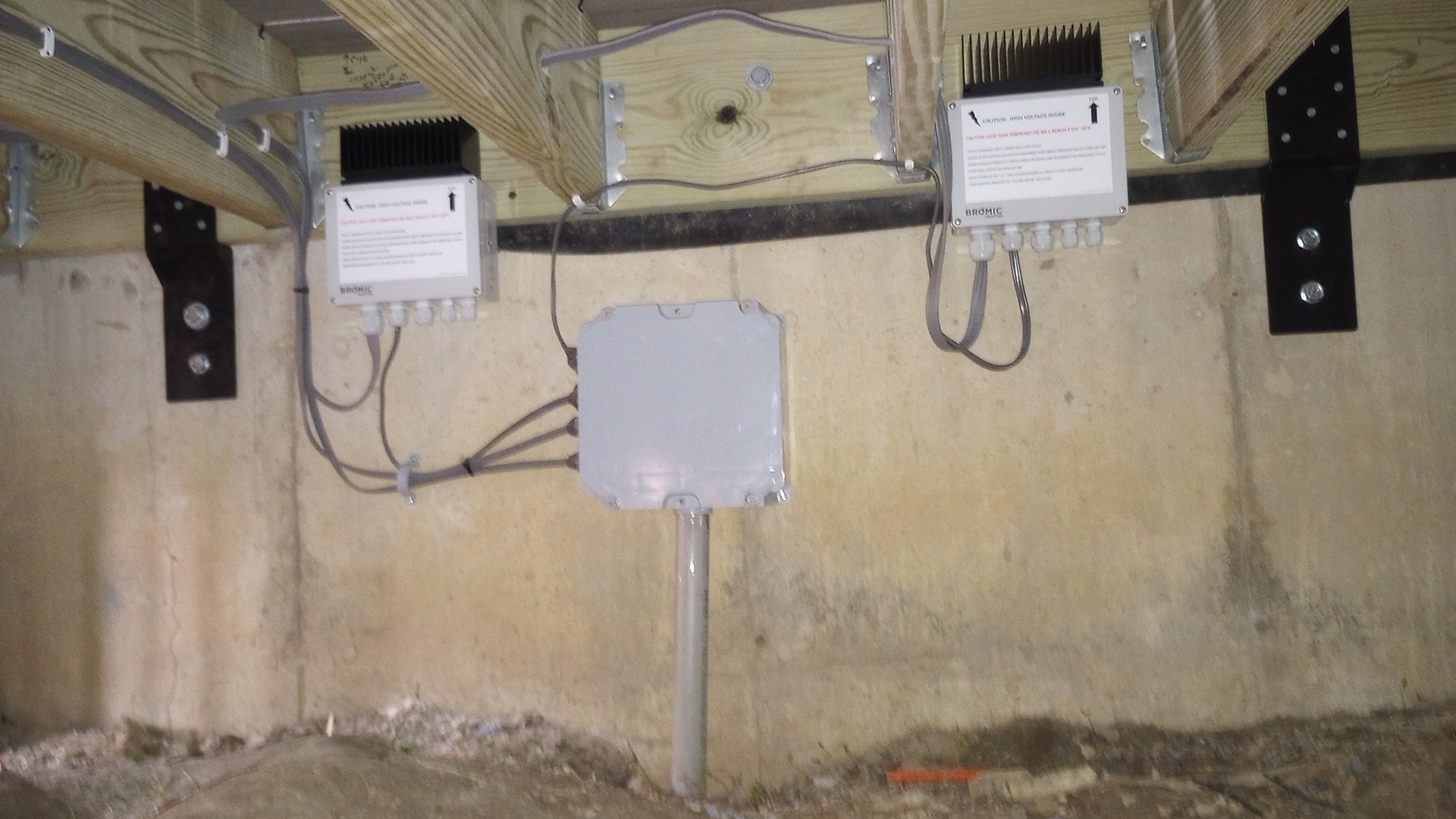
Lighting and fans are the easy conversation. Heaters are where the math changes. Electric radiant patio heaters are a fantastic way to stretch an Ohio outdoor season into November, but a pair of them can pull more power than a kitchen range — and the good ones often want dedicated 240-volt circuits and a controller mounted somewhere serviceable but out of the weather.
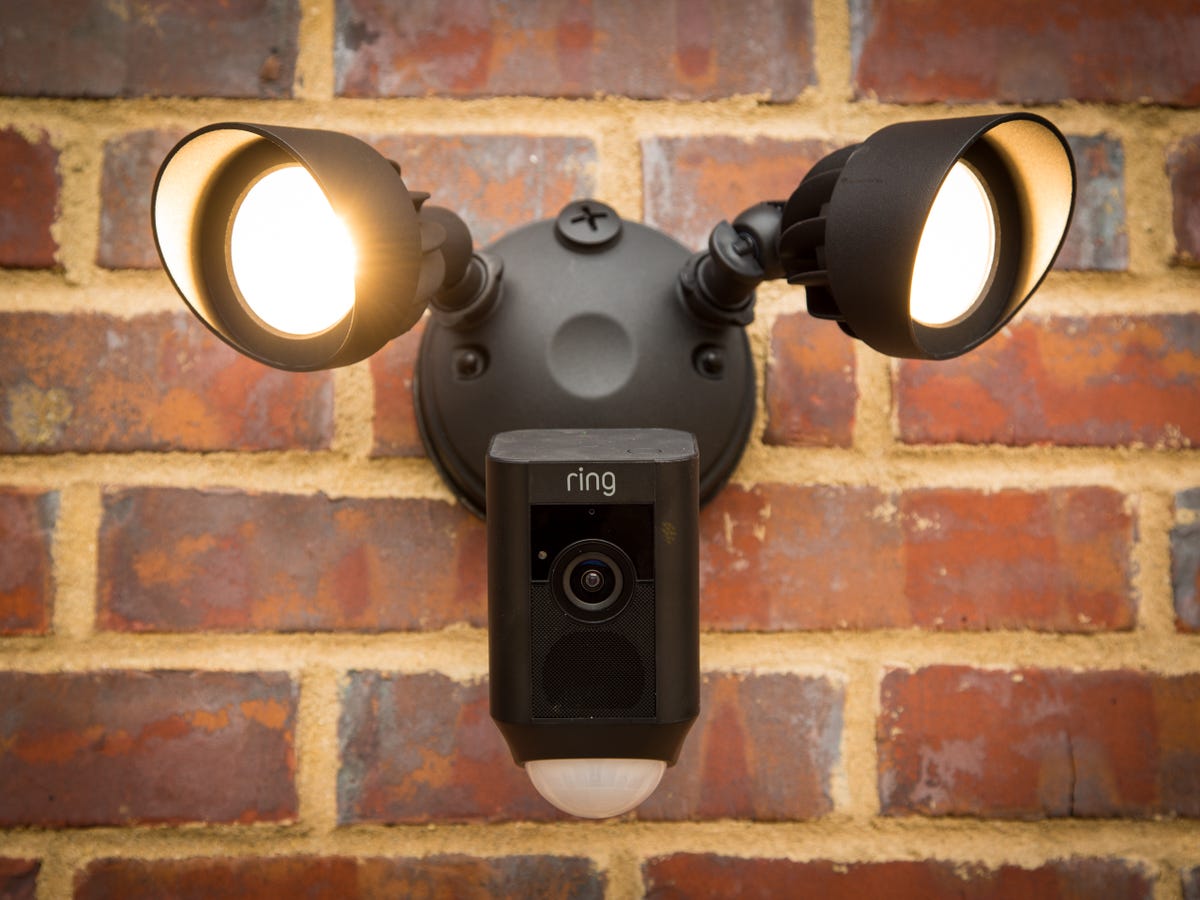
The same is true of anything else you plan to hang out there: floodlight cameras, a mounted TV, a mini fridge, an outdoor kitchen, a pool pump and heater. Individually they are small. Together they decide whether you need one new circuit or a subpanel. Tell us the whole wish list at the estimate, even the "maybe someday" items — it is far cheaper to pull a spare conduit now than to open a finished ceiling later.
"I can't say enough good things! My project was completed quickly, professionally, and they left our place completely clean, you didn't even know they were there."
See our profile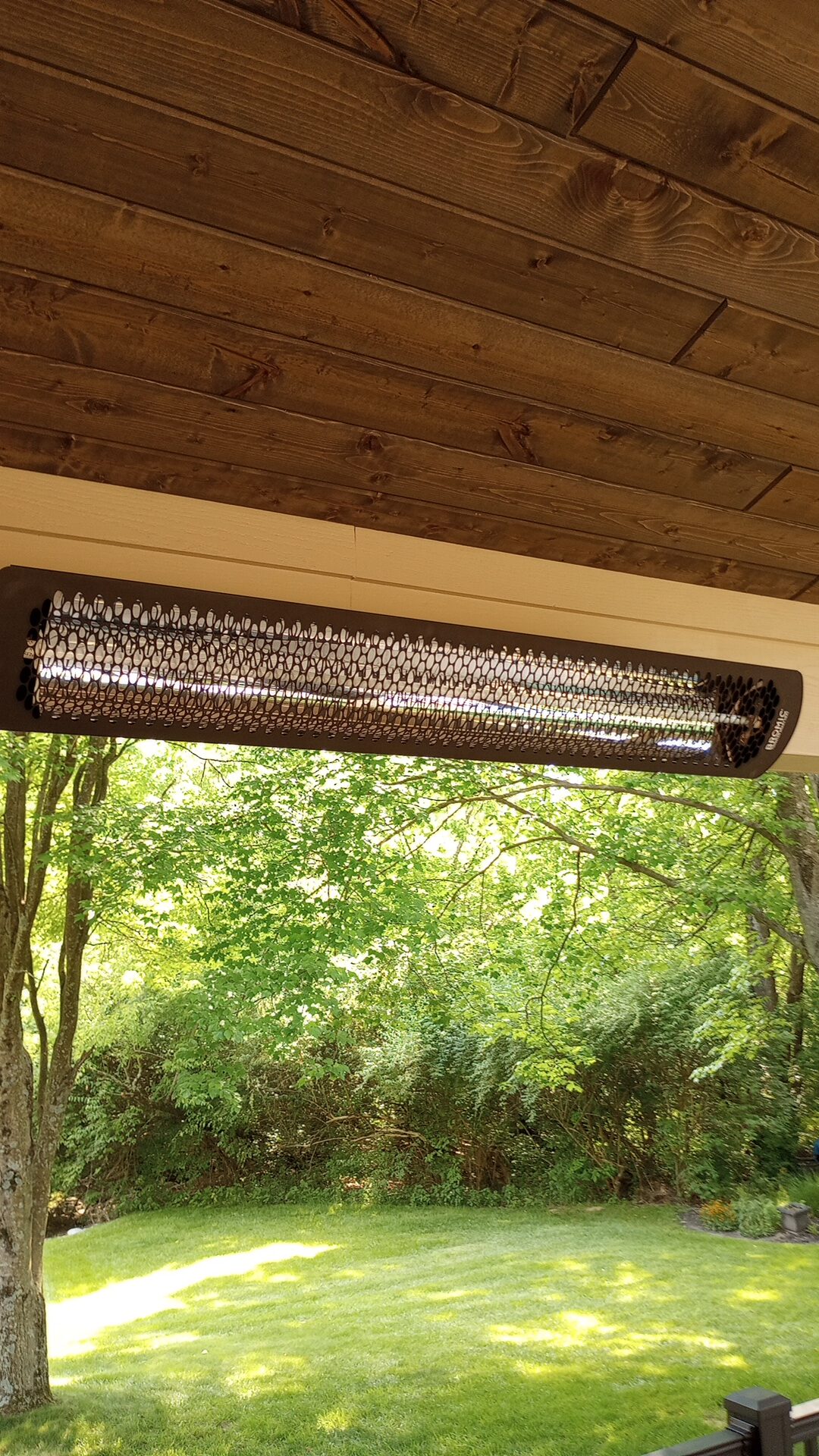
Local Rules, Local Inspectors
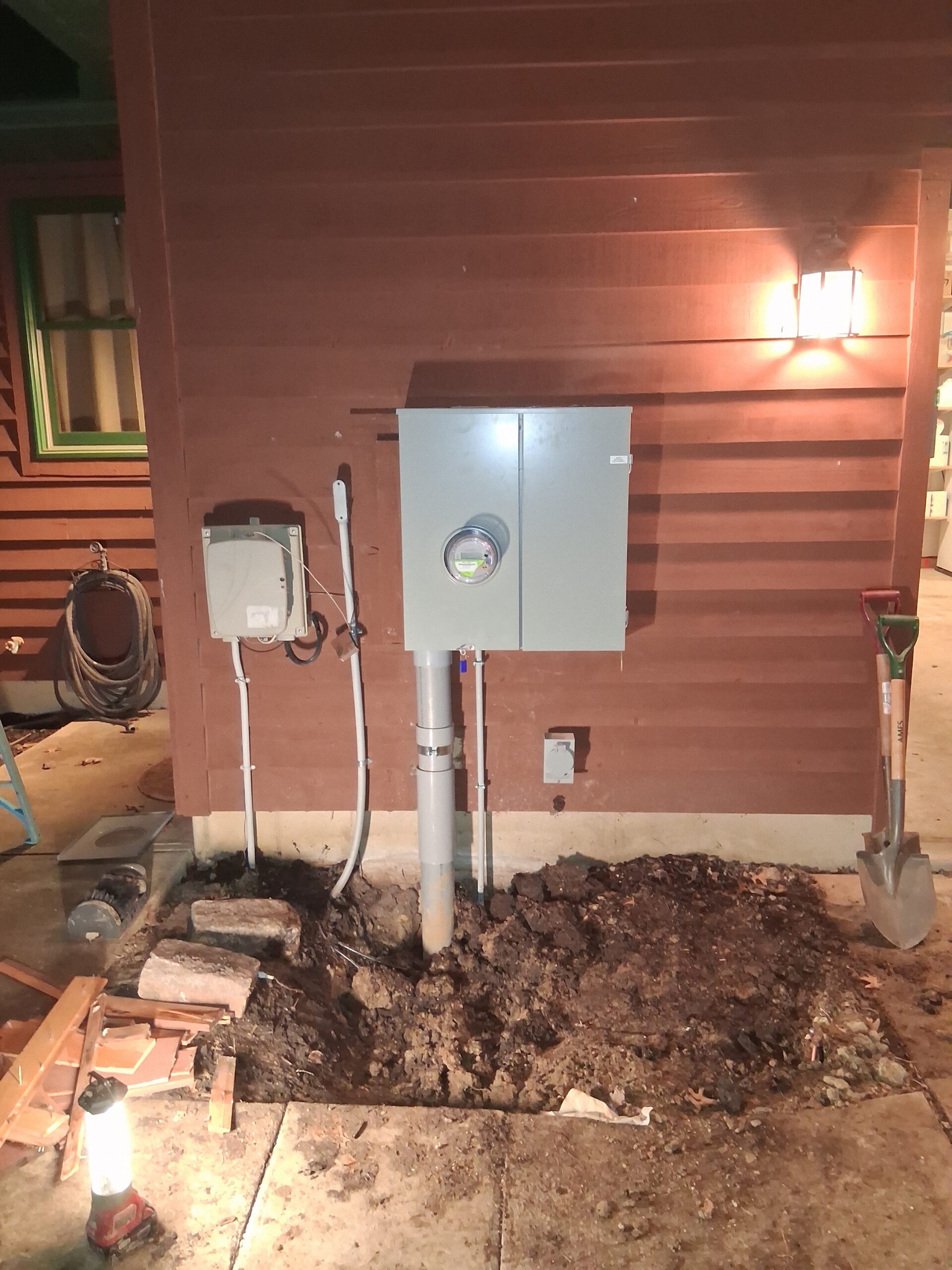
New outdoor circuits, subpanels and service work are permitted work. Codes get adopted and amended locally, so what an inspector expects in Loveland is not always identical to Batavia or Mason. We handle the permitting as part of the job and we schedule around the inspection rather than working backward from it.
This matters more than it sounds. Unpermitted electrical work has a way of resurfacing at the worst possible moment — during an appraisal, a home inspection, or an insurance claim. Getting it inspected the first time costs a small fee and a scheduling window. Getting it corrected years later costs considerably more.
"Straight forward, reasonable pricing. No hidden charges. They were here when they said they were going to be and did the job I hired them to do. I felt completely comfortable and safe having them in my home."
See our profileThe Trench Is the Line Item Nobody Expects
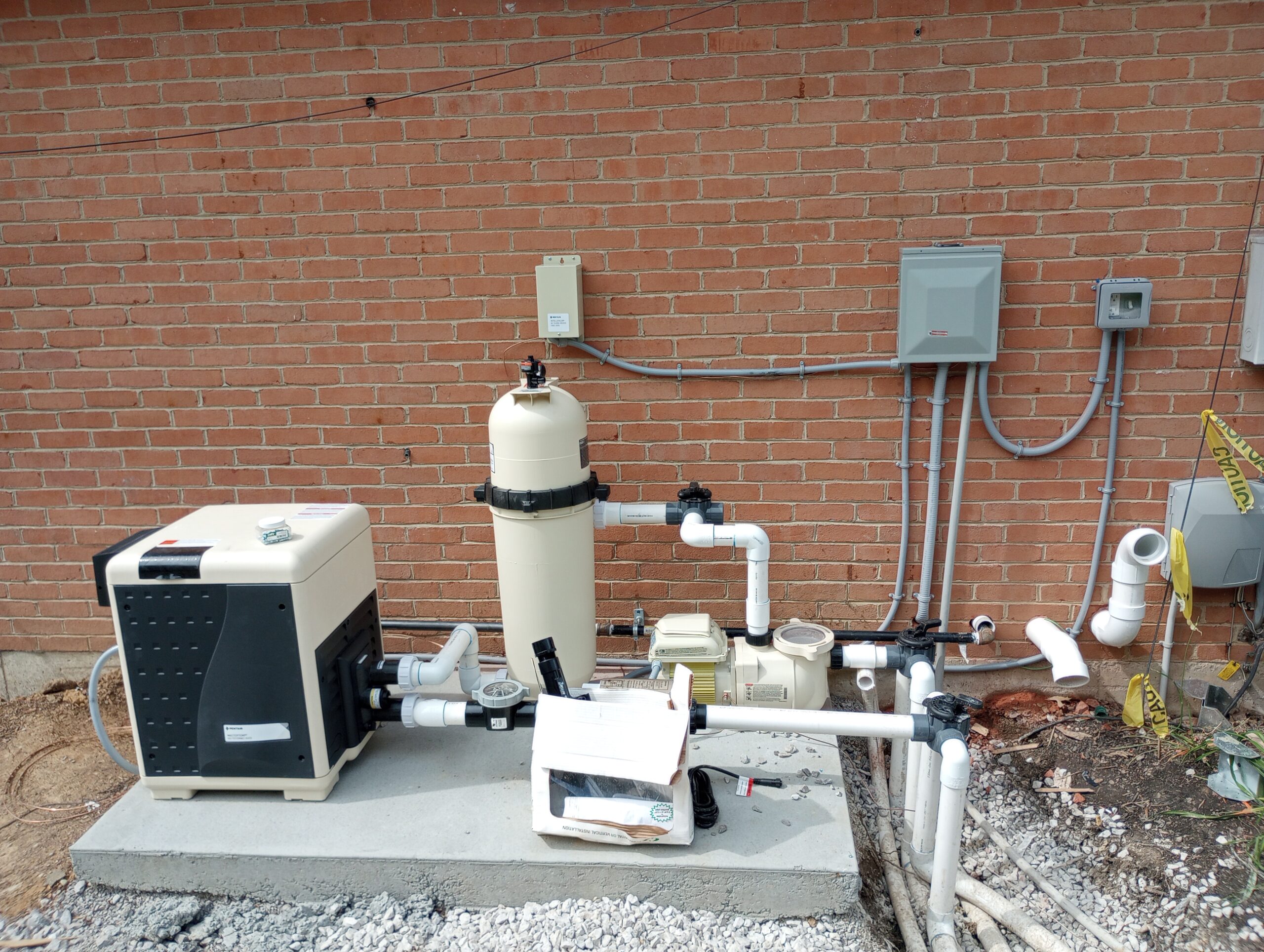
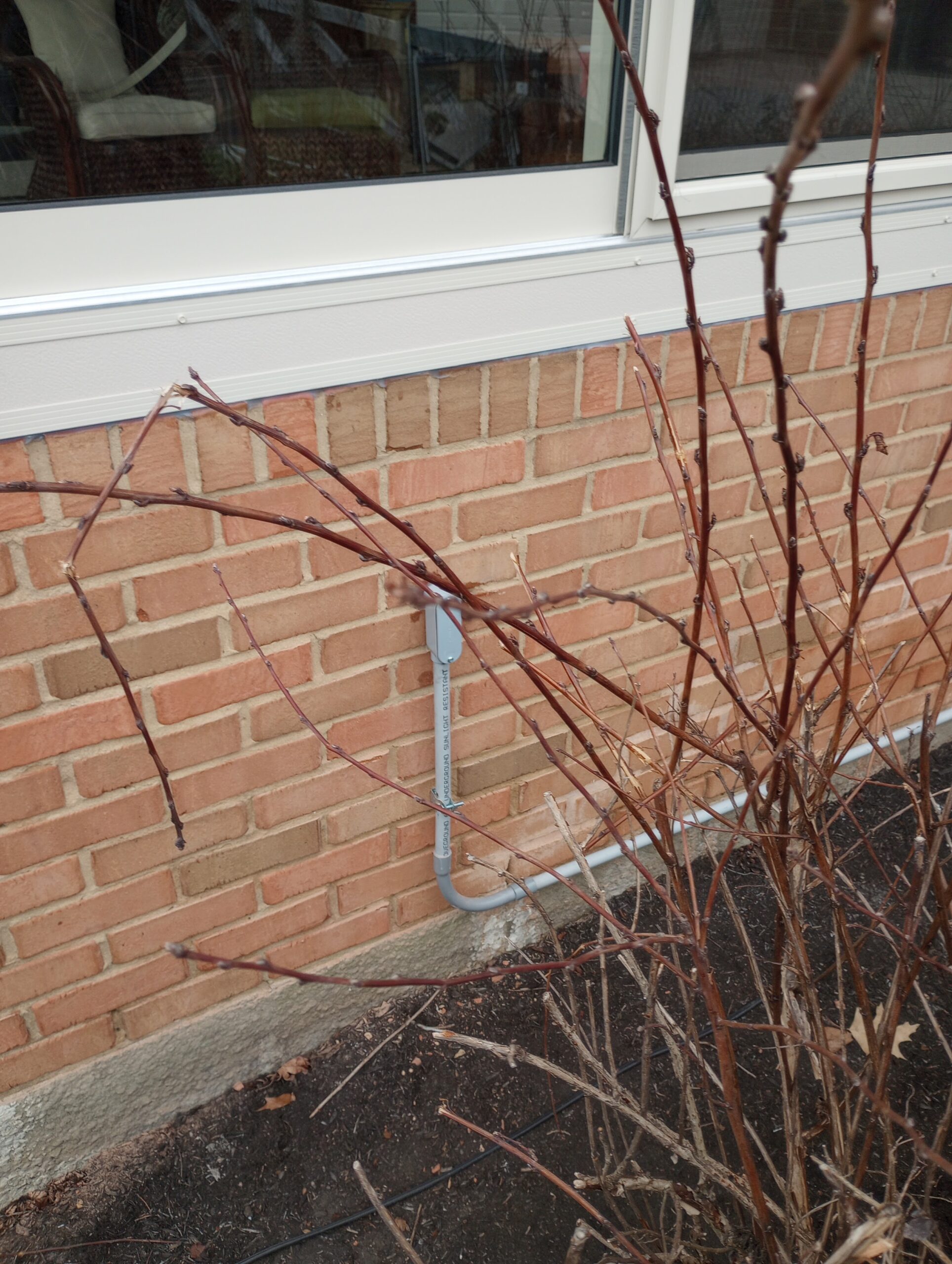
Detached garages, pool equipment pads, sheds, gate operators and freestanding pergolas all have the same problem: the power is at the house and the load is not. That means a trench, and a trench is where a straightforward job gets expensive — not because of the wire, but because of the digging, the restoration, and whatever is already buried along the route.
How deep depends on the wiring method. Direct-buried cable has to go deeper than the same circuit pulled through conduit, and there are shallower allowances for certain protected low-amperage circuits. We spec the method that makes sense for your yard and your budget, call in utility locates before anything breaks ground, and put in a spare conduit while the trench is open if there is any chance you will want more out there later. That last part costs almost nothing now and saves a second trench in five years.
"Professional. Responsive. Trustworthy. Quality. Highly recommend Ash/AFW Electric."
See our profile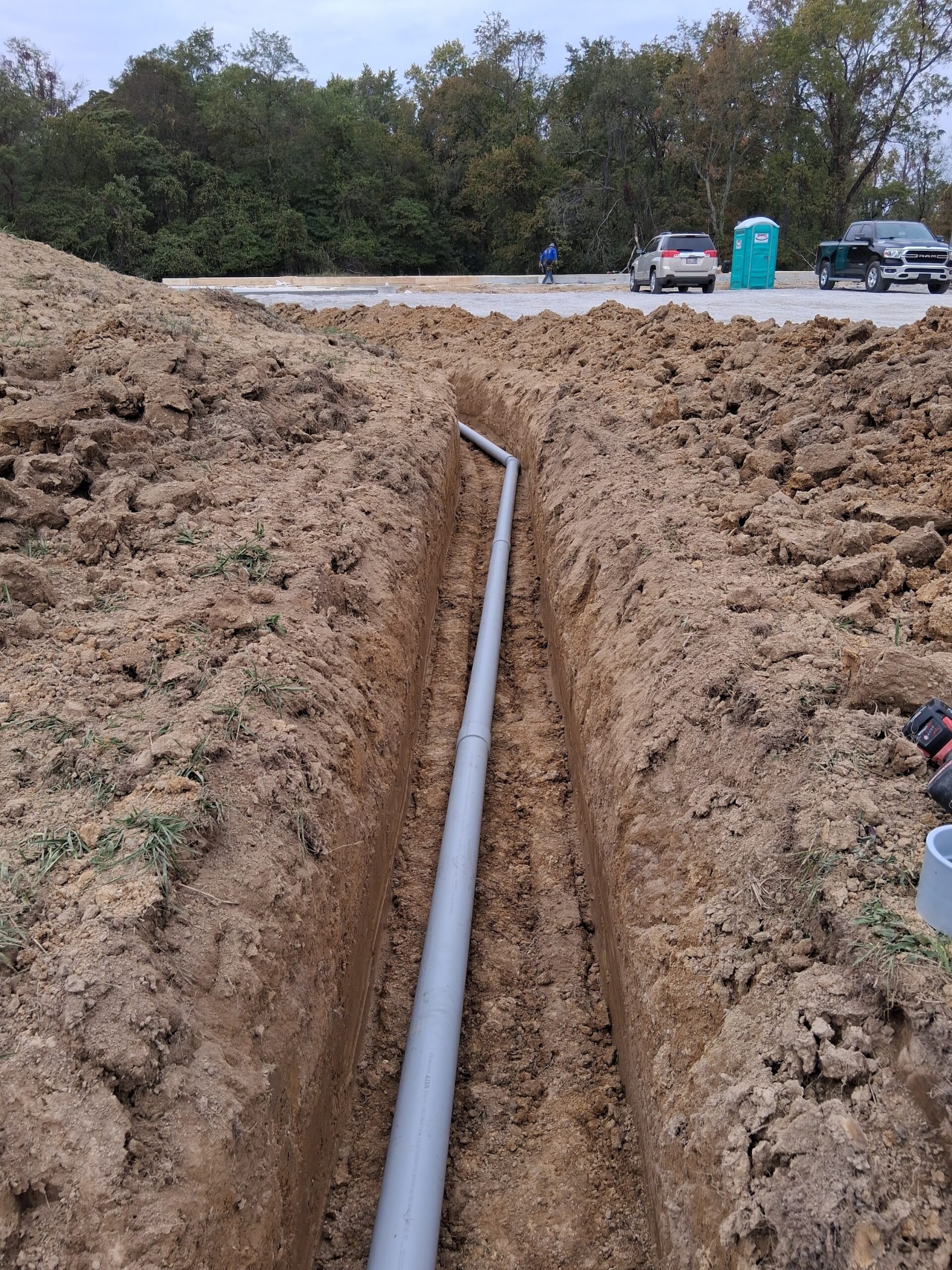
From First Call to Final Inspection
No mystery steps and no surprise invoices. Here is exactly what working with AFW Electric on a backyard project looks like.
1. Tell Us the Plan
Call or send the form with what you are building and roughly when. Ash usually responds the same day.
2. On-Site Walk
We look at the panel, the route, and the space itself. Bring the full wish list, including the maybes.
3. Written Estimate
An itemized number with the scope spelled out. Free, and no pressure to sign it on the spot.
4. Permits & Scheduling
We pull the permit and coordinate our rough-in around your builder's framing schedule.
5. Install
Owner-supervised work, a tidy site every evening, and care taken around kids and pets.
6. Inspection & Walkthrough
We meet the inspector, then walk you through every switch, circuit and control before we leave.
Backyard Electrical, Answered Plainly
For a string of lights on a summer evening, sure — that is what outdoor-rated cords are for. What we would steer you away from is anything permanent: cords run through walls, stapled to framing, buried under mulch, or feeding a heater or appliance long term. Extension cords are not a substitute for a circuit, and that is exactly the setup that causes trouble two winters later.
Sometimes, and it depends on two separate things: whether your service has capacity for the added load, and whether the panel has physical space for the new breakers. A few lights and receptacles often fit into an existing panel without issue. Multiple 240-volt heaters, a hot tub, or a car charger on top of everything else is where a panel upgrade frequently becomes the honest answer. We will tell you which situation you are in at the estimate.
Earlier than most people think — ideally while the plan is still on paper, and at the latest before the framing gets closed in or the concrete gets poured. Once a ceiling is finished or a slab is down, every wire has to take a longer and more visible route. A ten-minute conversation during planning is the single cheapest thing you can do for the budget.
If you actually want to use the space in October and November, yes — electric radiant heaters are the difference between a patio you use six months a year and one you use nine. Just plan for the load. Quality units often want dedicated circuits, sometimes 240-volt, plus a controller mounted where it stays dry and remains serviceable. That is a design decision, not an afterthought.
Usually because it is doing its job. Outdoor receptacles are GFCI-protected, and moisture getting into the receptacle, a cord end, or a connected device will trip them. Repeat trips point to water intrusion, a failing cover, a damaged cord, or a faulty device on the circuit. If resetting it has become a routine, that is worth electrical troubleshooting and diagnostics rather than a habit.
Yes, and it is one of the more common outdoor jobs we do. Depending on what you plan to run out there, it may be a single circuit or a small subpanel with its own breakers. Either way it involves a trench, utility locates before digging, and a permit. If a car charger is anywhere in your future, mention it — sizing the feed for that now is far cheaper than redoing it later.
Install 220 in garage for EV/Hybrid. Excellent service by Ash! I submitted my inquiry form and had a same day response! Ash called me, asked a few additional questions and stopped by to review the job. Had an estimate to us later that afternoon (very fair price!) and 2 days later, I had a 220 in my garage! He was prompt, professional and kept the work site clean and tidy. Highly recommend.
Services That Pair With Outdoor Work
Hot Tub & Pool Wiring
Dedicated circuits, disconnects and bonding done to code for spas, pools and equipment pads.
Learn MoreWiring & Installation
New circuits, receptacles, fixtures and subpanels for additions, garages and outdoor spaces.
Learn MoreService & Panel Upgrades
More capacity and more breaker space when your existing service cannot carry what you are adding.
Learn MoreWhat You Actually Get With AFW
Owner-Operated
Ashley F. Ward founded AFW Electric in 2019 after more than a decade in the trade, and every project runs under his direct supervision.
Honest Upfront Pricing
You get the number before the work starts. If something unexpected turns up mid-job, we tell you and price it in good faith.
Meets or Exceeds Code
Installations are built to National Electrical Code standards and permitted so an inspector signs off on the work.
Clean, Respectful Job Sites
Customers mention it in review after review — we clean up behind ourselves and treat your property like it is ours.
Safe Around Kids and Pets
Open panels, tools and trenches get managed with your household in mind, not just our own convenience.
4.8 Stars on Google
Rated 4.8 across the Loveland and Greater Cincinnati communities we serve, with free estimates on every project.
Areas We Serve
Let's Sort the Power Out First
Whether you are six months from breaking ground or the framing is already up, an early conversation costs nothing and usually saves real money. Estimates are free, and Ash will tell you straight what your panel can and cannot handle.
Send the Details
Fill out the form or call us with what you are building and when.
We Walk the Site
Panel, route and layout reviewed in person — no guessing from photos.
Get a Clear Number
An itemized written estimate with the full scope, free and no pressure.